
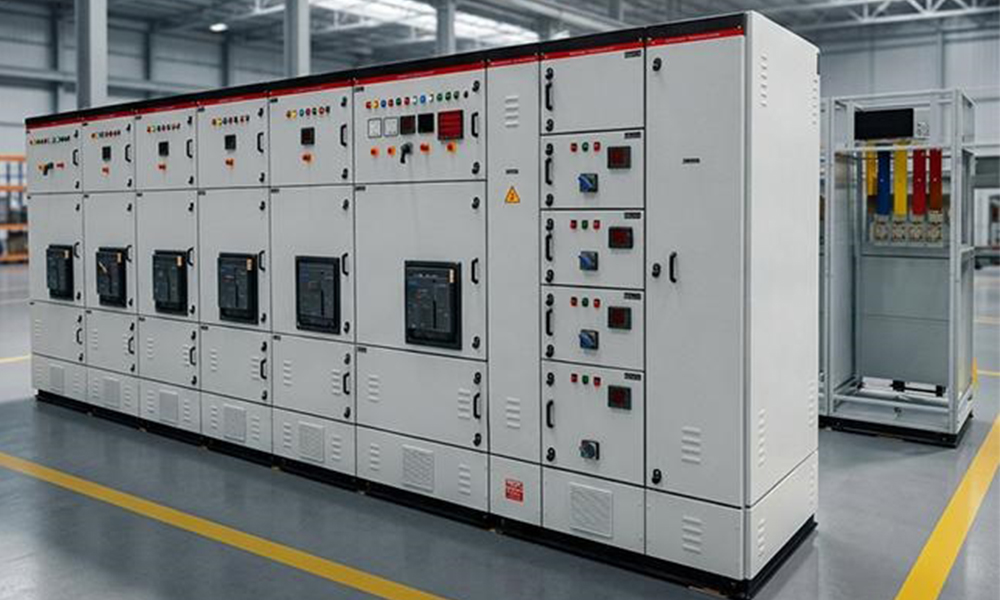
Industrial electrical control panels play a vital role in managing, monitoring, and protecting electrical systems across various industries. From manufacturing plants to commercial facilities, these panels help ensure safe, reliable, and efficient operation of electrical equipment.
As industries continue to adopt advanced technologies and automation, the demand for dependable electrical control and distribution systems is increasing.
01What Are Industrial Electrical Control Panels?
Industrial electrical control panels are specially designed enclosures that contain electrical components such as circuit breakers, contactors, relays, switches, meters, and control devices. These components work together to regulate electrical power, control machinery, and protect equipment from electrical faults.
Depending on the application, control panels can be designed for power distribution, motor control, automation, and industrial process management.
02Key Benefits of Electrical Control Panels
Enhanced Electrical Safety
Electrical control panels help protect equipment and personnel by incorporating suitable protection devices. Circuit breakers and other protective components help manage overloads, short circuits, and electrical faults when correctly selected and installed.
Improved Operational Efficiency
Well-designed control panels simplify the operation of industrial machinery and electrical systems. Centralized controls make it easier for operators to monitor equipment, manage processes, and maintain consistent performance.
Reliable Power Distribution
Electrical distribution panels help distribute power to different machines, production lines, and equipment. Proper panel design supports reliable power delivery and helps reduce unnecessary operational interruptions.
Simplified Maintenance
Organized component layouts, clear labeling, and accessible connections make inspection and troubleshooting easier. Regular maintenance also helps identify potential issues before they lead to major equipment failures.
Support for Industrial Automation
Modern electrical control panels can integrate with programmable logic controllers (PLCs), sensors, motor drives, and other automation devices. These integrations help industries improve process control, productivity, and operational consistency.
03Common Types of Industrial Electrical Panels
Different industrial applications require different types of electrical panels, including:
The appropriate panel depends on the electrical load, operating environment, safety requirements, and specific application.
04How to Choose the Right Electrical Control Panel
Selecting the right electrical control panel is essential for achieving safe and efficient operation. Businesses should consider the following factors:
- Electrical load requirements and system voltage.
- Type of machinery and intended application.
- Suitable protection devices and safety standards.
- Panel enclosure, environmental conditions, and IP rating.
- Ease of maintenance and future expansion.
- Quality of components and manufacturing practices.
Working with an experienced electrical panel manufacturer can help ensure that the panel meets the project’s technical requirements.
05Conclusion
Industrial electrical control panels are an essential part of modern electrical infrastructure. They support safe power distribution, efficient machinery control, simplified maintenance, and industrial automation.
Choosing a well-designed panel based on the application’s requirements can help businesses improve reliability, maintain operational efficiency, and support long-term performance.
Looking for electrical control panel solutions for your industrial requirements?
Connect with SMAPCON to discuss your project needs and explore suitable solutions.